
The Allure of the Environment
Casinos are designed meticulously to create an inviting and immersive atmosphere that captivates players. From the moment you step inside, the sights, sounds, and even scents are strategically curated to stimulate excitement and a sense of adventure. Bright lights flash from the slot machines, and the sounds of rolling dice and ringing coins create an almost euphoric ambience that pulls players deeper into the experience. In fact, many people enjoy exploring betting sites online to get a sense of the excitement they might find inside a physical casino.
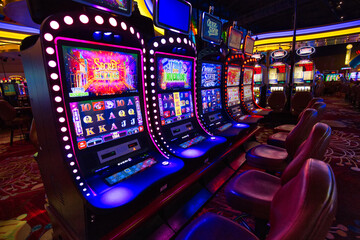
The layout of a casino is also crucial in maintaining player engagement. By designing the space without clear exits and positioning popular games in high-traffic areas, casinos create a maze-like experience. This layout encourages players to explore further and spend more time in the environment, making it challenging to leave even when they intend to do so.
The Power of Rewards and Reinforcement
One of the most potent psychological tools used by casinos is the principle of variable reward schedules, a concept borrowed from behavioral psychology. When players win, they receive immediate gratification, but it is the unpredictability of rewards that keeps them coming back. This system mirrors the thrill of a slot machine, where players never know when they might hit it big. This uncertainty fuels a sense of hope and urges players to keep playing in the hopes of that next big win.
Moreover, casinos often employ loyalty programs that enhance this reinforcement effect. Players accumulate points or rewards for their activity, creating a sense of investment. As players progress in these programs, the potential rewards become increasingly enticing, leading them to gamble more to reach the next tier. This cycle of anticipation and reward solidifies the habit of playing.
The Art of Social Interaction
Casinos also leverage social psychology to enhance the gaming experience. The presence of fellow players creates an atmosphere of camaraderie and competition, which can heighten the excitement of playing games. Table games, in particular, promote interaction, as players celebrate wins together and share in the thrill of the game, encouraging them to remain in the casino for longer periods.
Additionally, the presence of dealers and staff, who often engage players with friendly banter, fosters a welcoming environment. This social dynamic not only enhances the overall experience but also makes players feel more connected to their surroundings, further solidifying their desire to stay and play.
The Role of Emotion in Decision-Making
Emotions play a significant role in gambling behavior, and casinos are adept at harnessing this aspect of psychology. The highs and lows of gambling can evoke strong emotional responses that often cloud judgment and lead to impulsive decisions. Players may chase losses, driven by a desire to regain what they’ve lost, which can lead to extended play and increased spending.
Moreover, the thrill of winning can create a euphoric state that heightens risk-taking behaviors. This emotional rollercoaster is integral to the gambling experience, as it keeps players engaged and less likely to walk away, even when they should. By appealing to these emotional triggers, casinos effectively manipulate decision-making processes to keep players at the tables or machines longer.

Exploring Further Resources
As you delve into the intricate world of casinos and their psychological strategies, it’s essential to have access to reliable resources that can enhance your understanding. While this particular site may currently restrict access, there are numerous platforms available that discuss the fascinating intersection of psychology and gambling.
Whether you seek to grasp more about the behavioral triggers that casinos utilize or want to explore responsible gaming practices, continuing your research is vital. Engaging with knowledgeable communities can provide insights and further information on how to enjoy gambling responsibly while being aware of the psychological tactics at play.